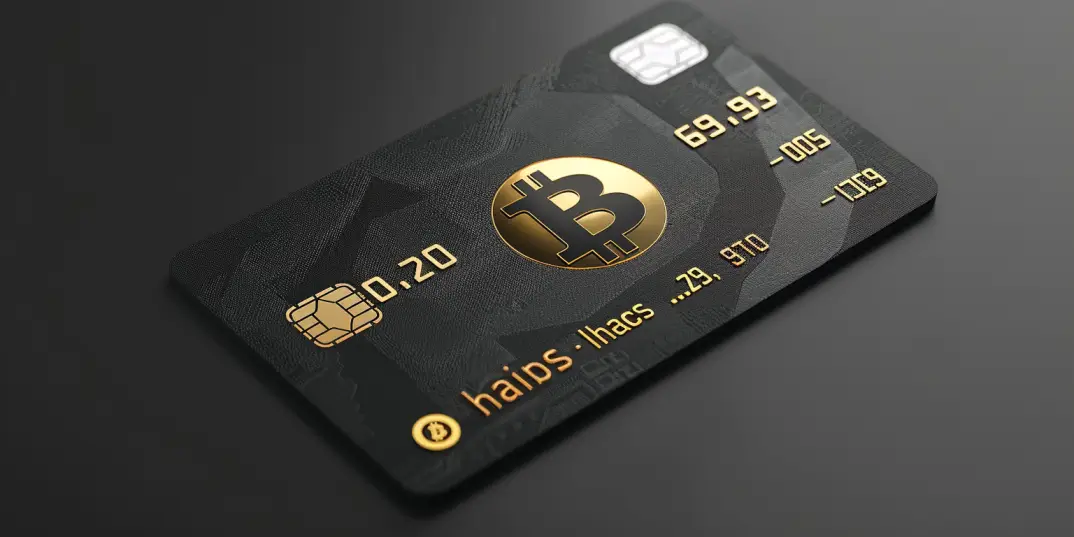
Crypto Card: Spend Cryptocurrency with Global Access
A crypto card bridges the gap between traditional banking and digital currency, enabling users to spend cryptocurrencies as easily as cash. This innovation represents one of the most significant shifts in financial technology, redefining how money moves across global systems. Understanding how a crypto card works, why it matters, and how it impacts the payment landscape can help anyone adapt to the evolving digital economy.
What Is a Crypto Card?
A crypto card functions like a debit or credit card but connects directly to a user’s cryptocurrency wallet instead of a traditional bank account. When used for purchases, it converts digital assets such as Bitcoin, Ethereum, or stablecoins into local fiat currency at the point of sale. This seamless exchange allows users to pay for goods and services without manually converting crypto beforehand.
Crypto cards are issued by fintech companies and exchanges that partner with major payment networks like Visa and Mastercard. These cards can be physical or virtual and are accepted at millions of locations worldwide.
The Evolution of Crypto Cards
The first crypto payment solutions appeared shortly after Bitcoin’s creation, but early systems faced technical and regulatory hurdles. Limited merchant acceptance and volatile exchange rates made spending cryptocurrency inconvenient.
Over time, blockchain technology matured, transaction speeds improved, and financial institutions began recognizing the potential of digital assets. By integrating with established card networks, crypto platforms developed tools that brought digital currency into mainstream financial use.
Today’s crypto cards reflect a decade of innovation. They combine modern security features, real-time currency conversion, and global accessibility—creating a practical bridge between blockchain and the everyday economy.
Read Also: BTC USD: Live Bitcoin to US Dollar Analysis, Trends & Insights
How Crypto Cards Work
When a user swipes or taps a crypto card, the transaction process mirrors that of a standard debit card. The difference lies in the backend conversion. Instead of withdrawing funds from a checking account, the card provider automatically sells a small portion of the user’s crypto balance.
That amount converts into fiat currency instantly and settles with the merchant through existing payment rails. This process happens within seconds, allowing smooth and transparent payments.
Many cards allow users to choose which digital asset to spend from within an app. Some even provide cashback rewards in cryptocurrency, giving customers an incentive to use their cards for daily transactions.
Advantages of Using a Crypto Card
Crypto cards simplify how people interact with digital assets. Instead of transferring tokens between exchanges or worrying about conversion rates, users can spend crypto effortlessly. This flexibility enhances liquidity, making cryptocurrencies function more like money and less like speculative investments.
For travelers, crypto cards eliminate the need for currency exchange. Users can pay in local currency wherever Visa or Mastercard operates, with the card automatically handling conversion behind the scenes.
Crypto cards also encourage adoption by demonstrating that cryptocurrencies can operate within the same ecosystem as fiat currencies. They promote real-world utility rather than speculation, reinforcing trust and practicality in digital assets.
Security and Transparency in Crypto Payments
Security remains central to crypto card development. Most providers employ strong encryption, biometric verification, and two-factor authentication to safeguard funds. Because transactions rely on blockchain infrastructure, they inherit the transparency and traceability that define decentralized finance.
Users retain control over their assets through integrated wallets. This hybrid approach allows them to manage private keys securely while still enjoying the convenience of traditional banking infrastructure.
Moreover, transaction records remain immutable, protecting both users and merchants from fraud or chargeback abuse.
Types of Crypto Cards
Crypto cards generally fall into two categories: prepaid and credit-based. Prepaid cards link directly to a digital wallet, allowing users to load funds before spending. They function similarly to debit cards and prevent overspending.
Credit-based crypto cards, though less common, operate through lending models where users deposit crypto as collateral. In exchange, they receive a spending limit in fiat value. This system allows holders to leverage digital assets without selling them, maintaining exposure to potential price appreciation.
Both types contribute to expanding financial inclusion and flexibility for cryptocurrency users worldwide.
The Role of Stablecoins in Crypto Cards
Stablecoins play an essential role in making crypto cards practical. Unlike volatile assets such as Bitcoin or Ethereum, stablecoins maintain a fixed value pegged to fiat currencies like the US dollar.
When used in crypto card systems, stablecoins reduce the risk of price swings during transactions. This stability ensures consistent purchasing power and predictable exchange rates.
Many card issuers integrate stablecoin options to balance volatility, providing a smoother experience for consumers and merchants alike.
Regulatory Impact on Crypto Card Growth
Regulation influences how crypto cards operate across different regions. Clear frameworks support innovation, while uncertain or restrictive laws can slow adoption.
Governments increasingly recognize the potential of crypto payments and aim to create guidelines that protect consumers while encouraging responsible innovation. Compliance with anti-money laundering (AML) and know-your-customer (KYC) policies ensures legitimacy across global financial systems.
Partnerships between crypto providers and regulated financial institutions continue to shape the industry’s credibility, attracting more users and investors.
Global Adoption and Market Expansion
Crypto card usage continues to rise worldwide, driven by the growing acceptance of digital assets. Major exchanges and fintech startups compete to offer improved features, better rewards, and lower transaction fees.
Regions such as Europe, North America, and Asia lead in adoption, supported by favorable regulatory environments and high crypto literacy. Emerging markets also show promise, where crypto cards offer access to global payments for populations without traditional banking infrastructure.
This democratization of finance empowers individuals to participate in the digital economy, bridging the gap between innovation and inclusion.
Challenges Facing Crypto Cards
Despite progress, challenges remain. Cryptocurrency volatility can complicate payment values, and not all merchants understand how crypto-based transactions work. Additionally, varying regulations across borders make compliance complex for card issuers.
Technical scalability also plays a role. Ensuring fast, reliable conversion between crypto and fiat requires robust infrastructure and constant system upgrades. As the technology matures, these obstacles are gradually being addressed through collaboration and innovation.
The Future of Crypto Cards
The future of crypto cards looks promising as adoption accelerates. Continued improvements in blockchain interoperability, transaction efficiency, and user experience will enhance convenience and accessibility.
Integration with decentralized finance (DeFi) platforms could expand card utility, enabling direct access to lending, staking, or savings products through a single interface.
Artificial intelligence and machine learning may also refine spending insights, fraud detection, and personalized financial recommendations, transforming crypto cards into comprehensive digital banking solutions.
As major corporations explore blockchain integration, the crypto card will likely evolve from a niche innovation to a standard payment method. It represents a pivotal step toward a financial system where crypto and fiat coexist seamlessly.
Conclusion
The rise of the crypto card signifies more than a technological milestone—it reflects a cultural and economic transformation. By merging blockchain efficiency with the familiarity of traditional payments, these cards redefine how people interact with money.
They offer freedom, flexibility, and accessibility while promoting mainstream adoption of digital assets. As regulation matures and technology advances, crypto cards are set to become integral tools in modern finance, bridging the gap between innovation and everyday use.
FAQs
What is a crypto card?
A crypto card connects to your digital wallet, letting you spend cryptocurrency like cash anywhere Visa or Mastercard is accepted.
How does a crypto card work?
It converts your crypto into local currency instantly during transactions, allowing smooth global payments.
Are crypto cards safe to use?
Yes. Most crypto cards use encryption, biometric login, and blockchain transparency to secure transactions.
Can I earn rewards with a crypto card?
Many providers offer cashback or loyalty points in cryptocurrency for every purchase made using the card.
What is the future of crypto cards?
As adoption grows, crypto cards will integrate with DeFi and AI, making digital payments faster, smarter, and more accessible.




Post Comment